Before Tecolote Valley Farm became a name recovered in an archive, it was home. In his April 2, 2016 Clairemont Times article, Tecolote Canyon - Part 1, Bill Swank spoke with members of the Isham and Romo families and gathered memories of a valley where farms, animals and childhood adventures shaped ordinary days.
Swank reported that Dr. Charles Isham, an obstetrician, bought 101 acres at the canyon mouth in 1946. He wanted his children to grow up on a farm. Larry was six, Robert three and Carol Ann a newborn when that chapter began. Photographs credited to the family show Tecolote Valley Farm around 1950, with its buildings set beside cultivated ground and canyon slopes.
Family life mixed the doctor's medical practice with the demands of the land. Swank drew on Claradora Isham's written family history to describe horses, cows, pigs and hundreds of chickens. Alfalfa and oats grew alongside fruits, berries and vegetables. Artichokes were especially memorable: the children remembered eating them often and selling them in Mission Hills.
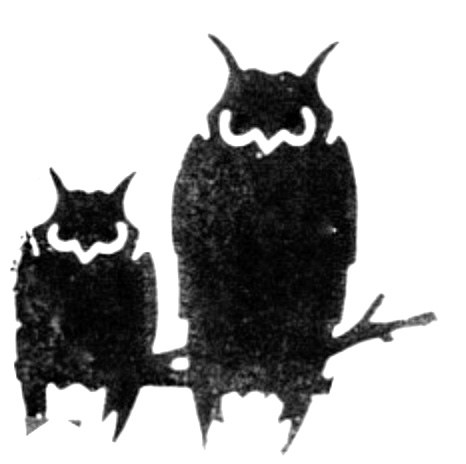
The children had room to explore. Carol Ann recalled riding her bicycle along routes the family called the high road and low road. Bob remembered jackrabbits on the canyon and mesa, and the boys learned to drive a surplus jeep while still young. Horses named Chico, Tango and Klondike supplied another kind of transportation. An owl-decorated farm sign appears in the family's 1951 Christmas-card photograph.
Swank also recorded the story of the Romos, who farmed and ranched at the canyon's south end from the early 1930s. Russell Romo recalled walking uphill to school in Linda Vista, making little boats when winter rain filled the creek, and recovering wandering livestock from nearby yards. His family home lacked electricity and running water. It burned in 1962.
The two sets of memories overlap in a small, vivid incident. Swank told the Ishams that Romo children sometimes slipped over to ride their horses bareback. The Ishams laughed at the discovery, decades after the rides had taken place. Their recollections suggest neighboring childhoods sharing a landscape even when the children did not know one another well.
The Ishams' farm years ended after Charles suffered a coronary in 1957. According to Larry's account to Swank, his father sold the farm, paused his practice and took the family to Guadalajara while he recovered. The children remembered the place with deep affection and found its later changes difficult to revisit.