Continued from page 3
By the middle of the twentieth century, the land around the old barn appears in family photographs as Tecolote Valley Farm. Open ground stretches below the canyon slopes. Farm buildings stand beside fields and a winding road. These views bring the building’s agricultural setting back into focus.
The Isham farm years
In 1946, Dr. Charles Isham bought 101 acres at the mouth of Tecolote Canyon. As Bill Swank later reported in the Clairemont Times, he wanted his children to grow up on a farm. The family kept horses, cattle, pigs, and chickens and grew alfalfa, oats, fruits, vegetables, and artichokes.
For the children, the farm was a world of horses and hillside routes, bicycles and a surplus jeep. Their memories give the photographs movement: journeys along the high road and the low road, artichokes carried to Mission Hills, and days spent among animals and open ground.
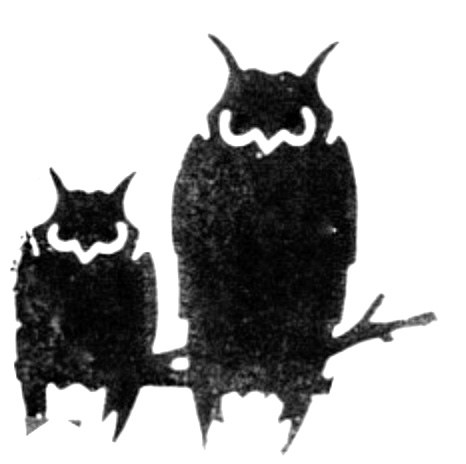
Their horses—Chico, Tango, and Klondike—became part of the valley’s remembered life. An owl-decorated farm sign appears in the family’s 1951 Christmas-card photograph, giving Tecolote Valley Farm an emblem as memorable as its name.
A building that carried its past forward
The barn’s story extends across these different eras. Built in 1894, it belonged to an agricultural canyon. The home that grew around it carried that earlier structure into another way of living. The 1958 assessor’s note records the relationship between the two.
The landscape continued to change. Streets and houses filled ground once seen as open hills and farmland. Yet the barn’s place within the residence preserves a physical connection to the working valley that preceded the neighborhood.
At Tecolote Valley Farm, the past is close enough to inhabit. A nineteenth-century barn, a twentieth-century family album, and the home of today occupy the same story at the mouth of the canyon.